

























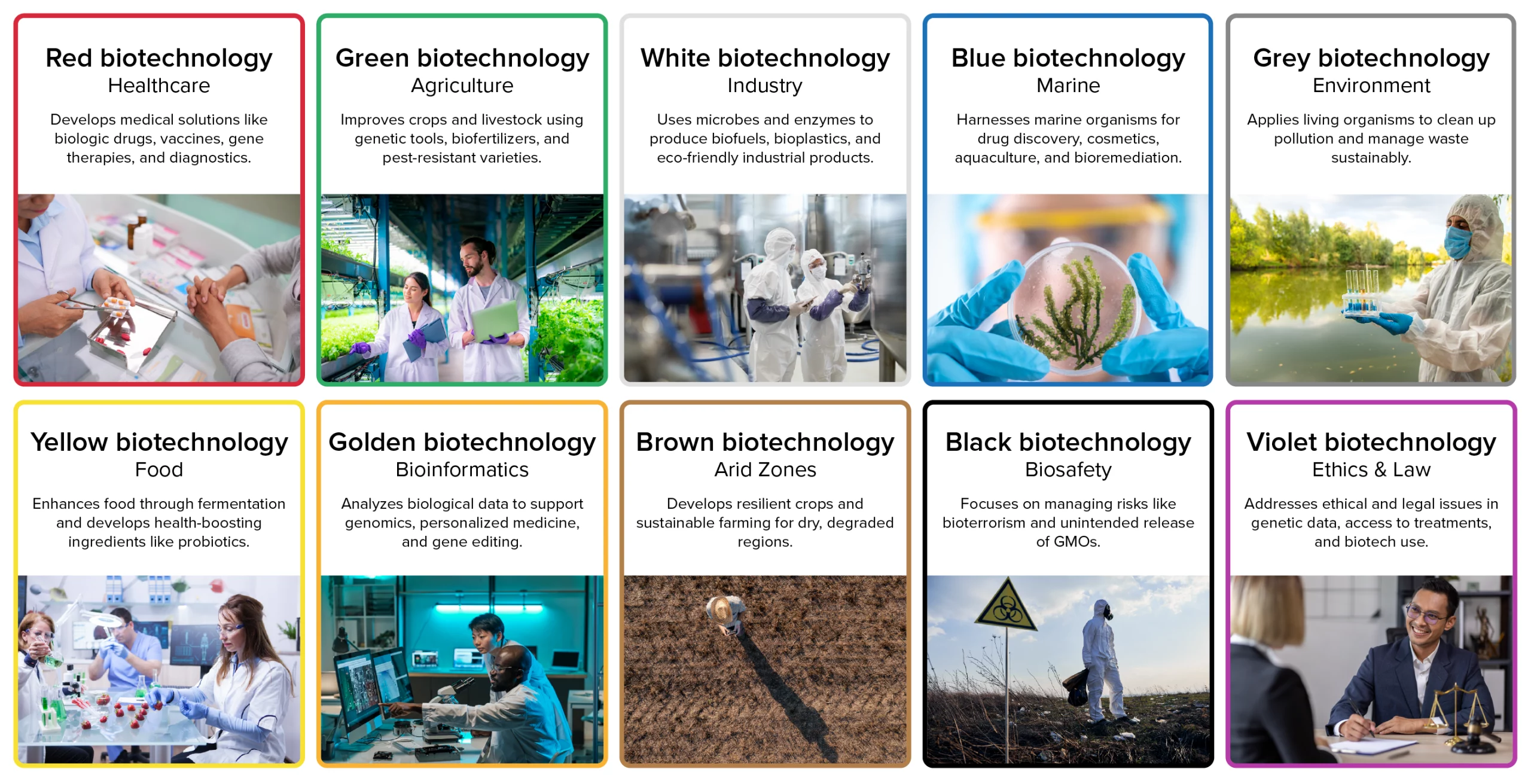
Violet biotechnology is the branch of biotechnology focused on ethics, law and policy. It does not create a new molecule or process directly, but it shapes how biotechnology can be developed, regulated and used responsibly in society.
As biotechnology becomes more powerful, the ethical and legal framework around it becomes more important. Violet biotechnology is where questions about human intervention, ownership, safety, fairness and public trust become central.
Violet biotechnology matters because biotechnology does not exist in a vacuum. It needs ethical limits, legal structure and policy guidance to be applied responsibly.
What is violet biotechnology?
Violet biotechnology refers to the ethical, legal and policy dimensions of biotechnology. It deals with how biotechnology should be regulated, what limits should exist, who owns the resulting knowledge or products, and how society should respond to emerging capabilities.
In other words, it is the framework that helps decide not only what biotechnology can do, but what it should do and under which conditions.
Violet biotechnology is not about replacing science, it is about making sure science operates within a responsible framework.
Why violet biotechnology matters so much
It matters because biotechnology increasingly affects human health, food systems, ecosystems, personal data and commercial power. As these technologies become more precise and influential, the consequences of poor governance become more serious.
Violet biotechnology helps society address questions such as who benefits from innovation, who carries the risk, how consent is handled and how regulation can keep pace with scientific progress.
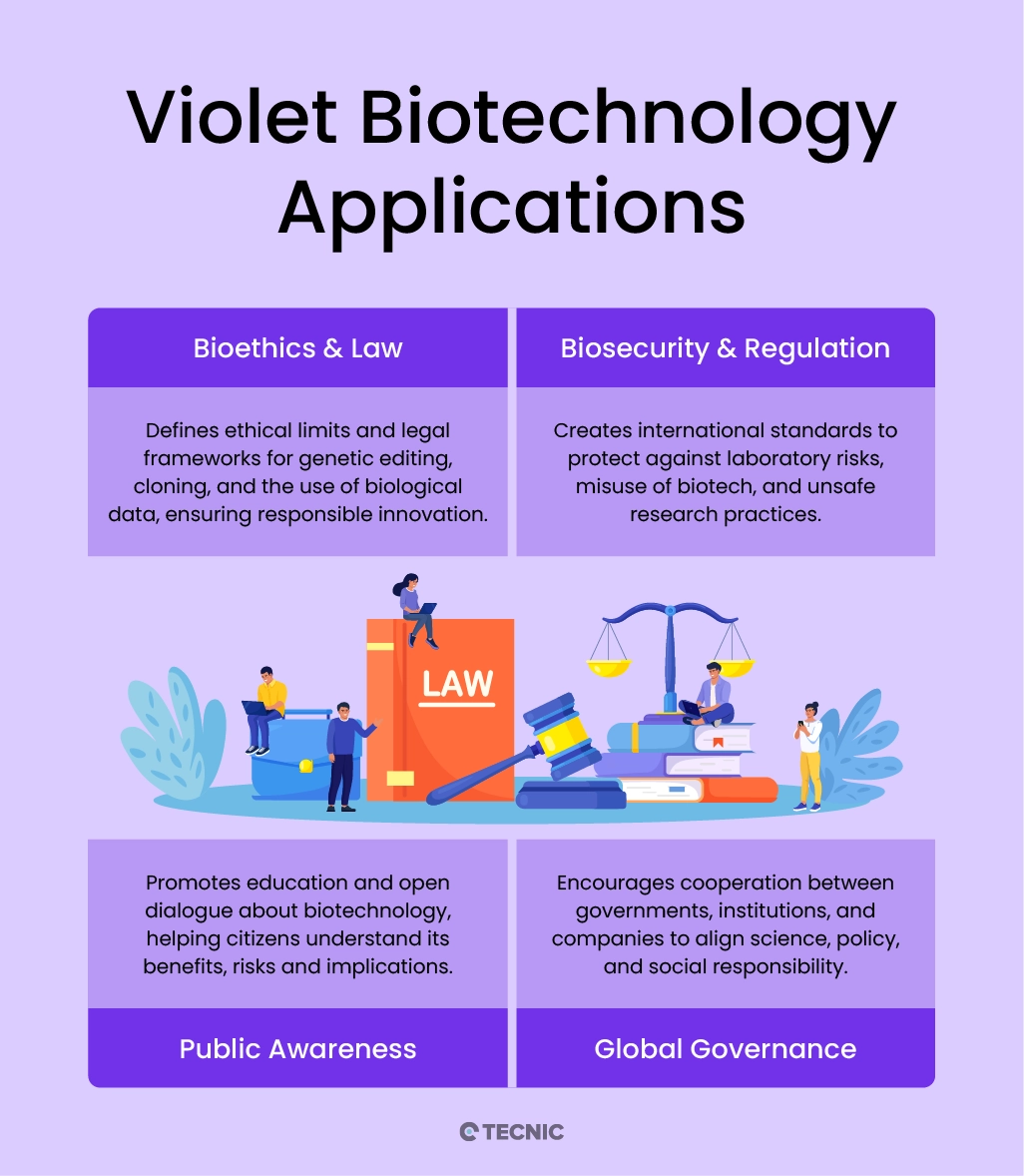
Helps define what kinds of interventions are acceptable in medicine, genetics and environmental applications.
Supports rules for patents, data, biosafety, consent and compliance.
Innovation becomes harder to sustain if society sees biotechnology as opaque or uncontrolled.
Good policy helps innovation move forward without ignoring safety, fairness or accountability.
Main topics in violet biotechnology
Violet biotechnology covers a wide range of topics, but several areas appear again and again wherever biotechnology becomes socially or commercially important.
Bioethics
Includes questions around gene editing, embryo research, privacy, informed consent, fairness and the acceptable limits of intervention in living systems.
Biolaw and policy
Includes patents, regulation, biosafety, approval pathways, international governance and public-policy decisions that shape biotechnology markets.
Violet biotechnology often becomes most visible when scientific progress starts moving faster than social or regulatory consensus.
Real-world examples of violet biotechnology issues
The clearest examples usually appear in advanced medical and genetic contexts. Gene editing, reproductive technologies, ownership of biological innovation, cross-border regulatory differences and access to life-changing therapies all sit inside the violet biotechnology space.
Main challenges and tensions in violet biotechnology
The biggest challenge is usually balance. Regulation that is too weak can damage safety and trust, but regulation that is too rigid can slow useful innovation or create barriers that prevent valuable therapies from reaching the market.
Another major tension is that biotechnology is global while many laws are national. What is acceptable, patentable or clinically permitted in one country may be restricted in another.
Violet biotechnology is often about managing difficult trade-offs, not finding one perfect universal answer.
How TECNIC fits this context
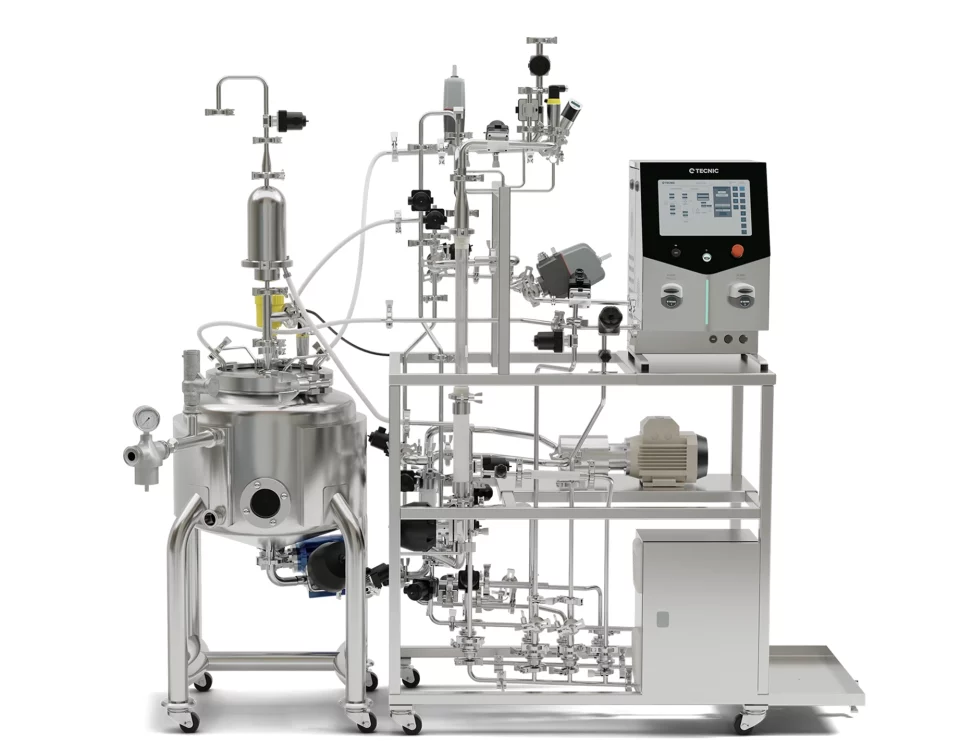
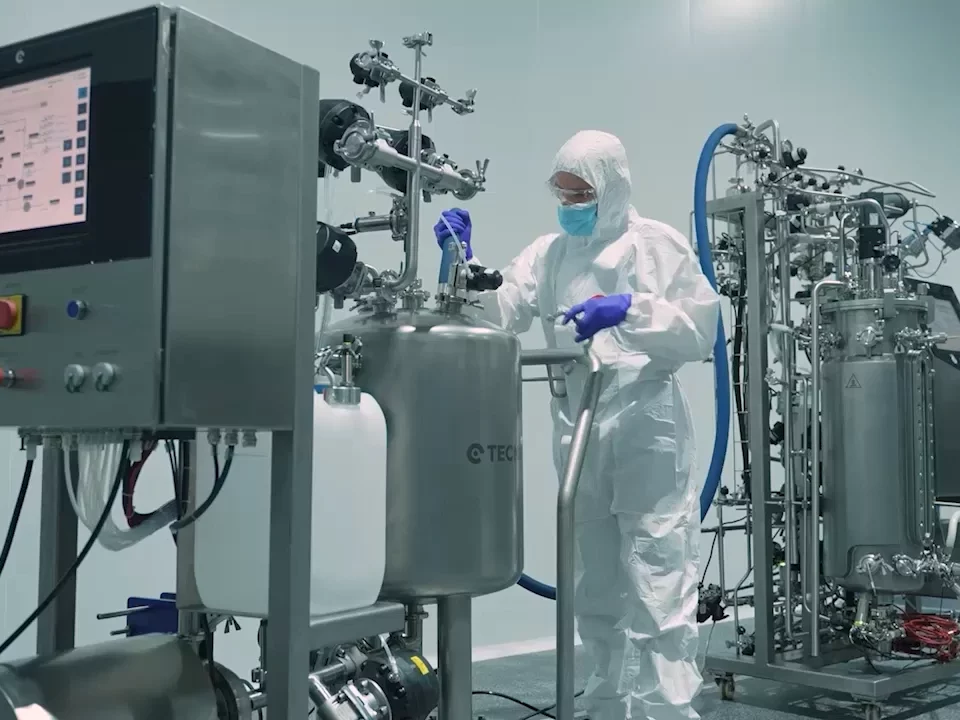
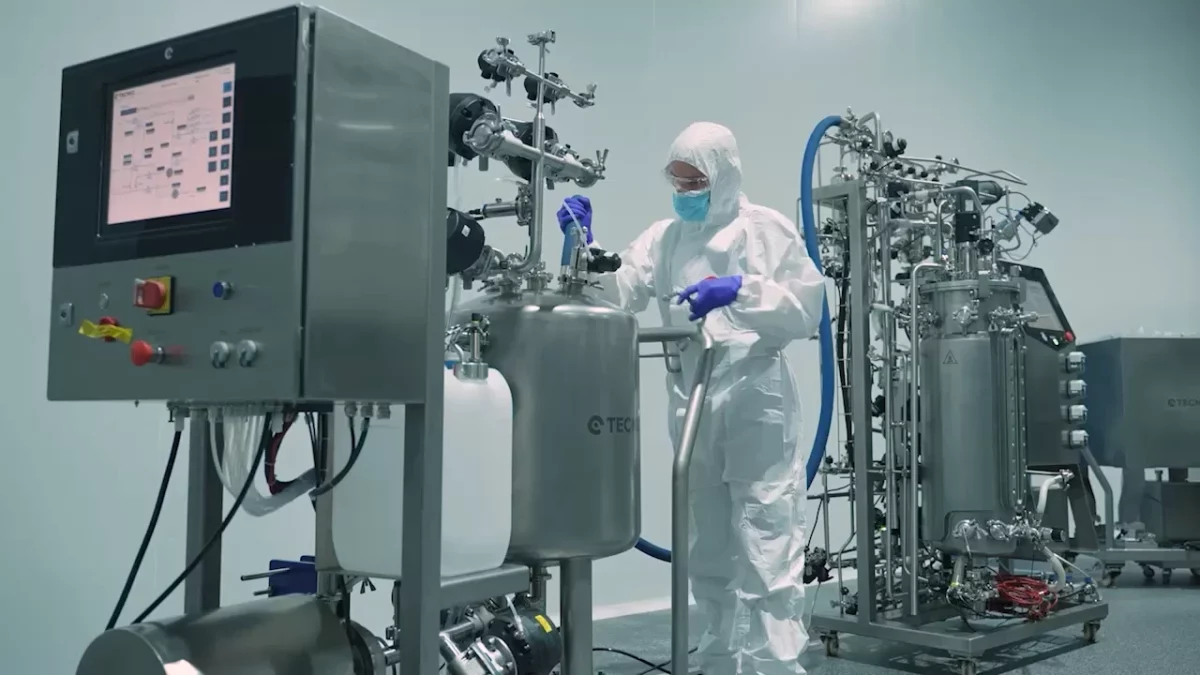
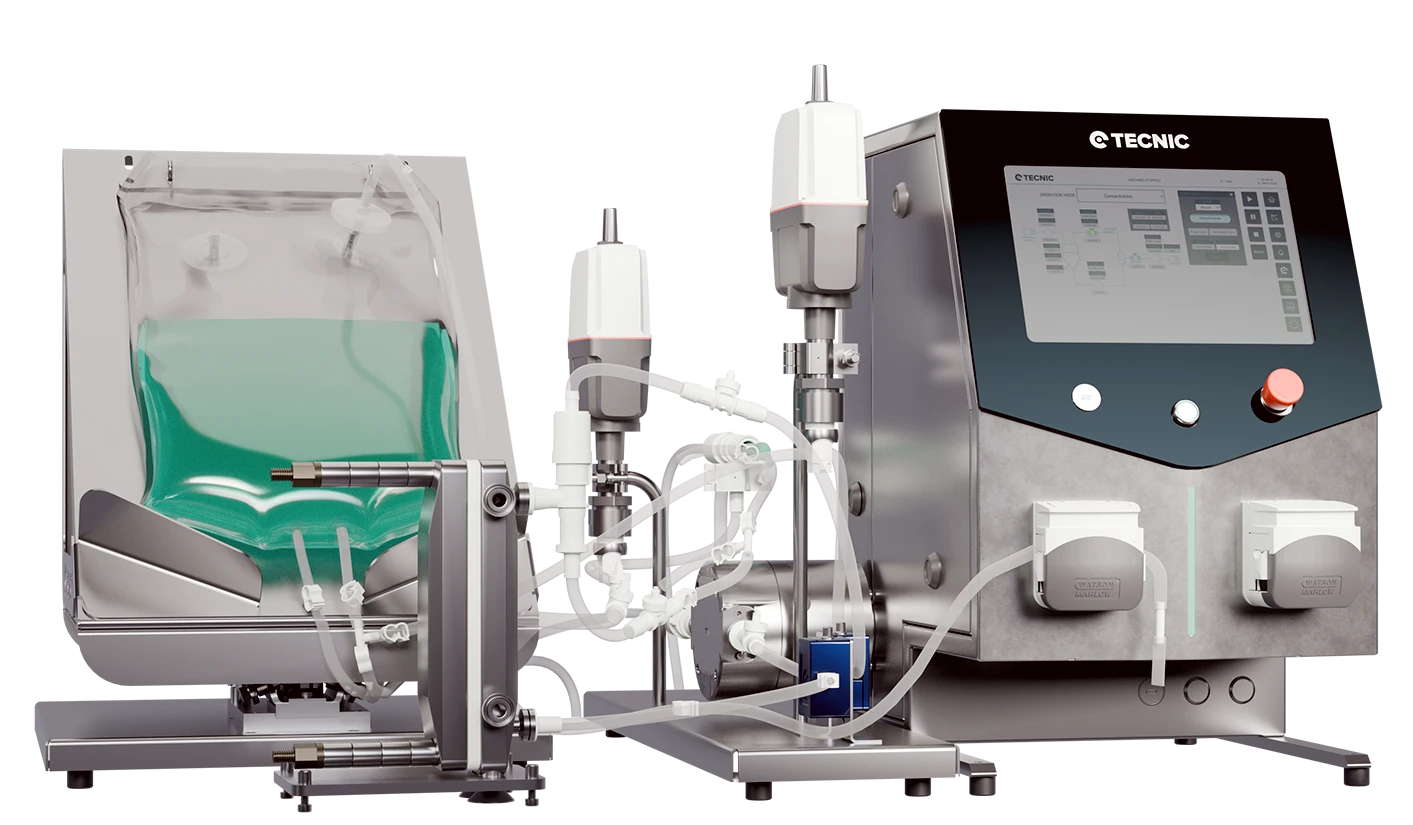
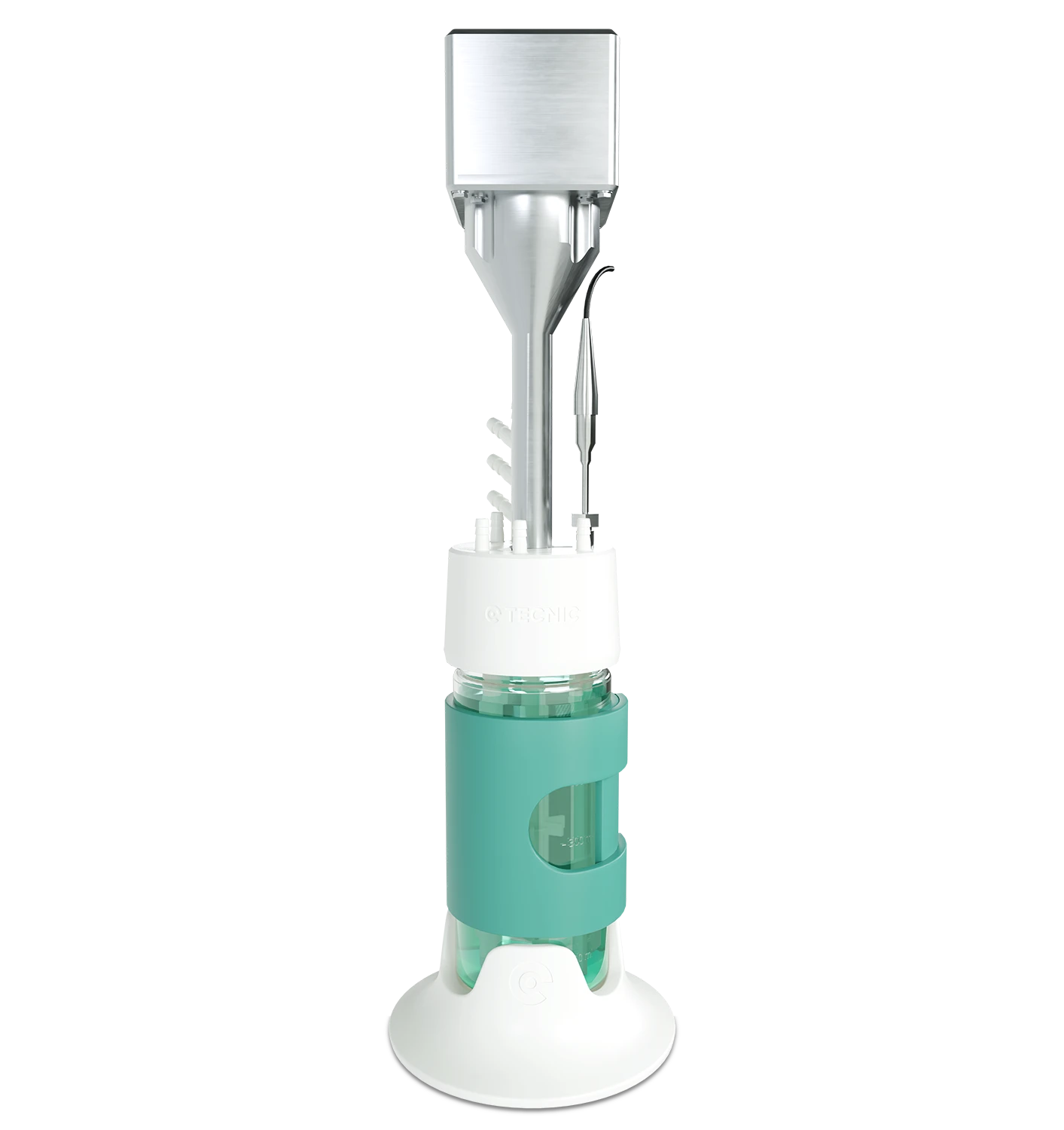
TECNIC fits this topic from the process side of responsible biotechnology. When therapies or advanced biological products move toward real manufacturing, ethical and legal questions do not disappear, they become more concrete through traceability, reproducibility, controlled environments and compliance-ready workflows.
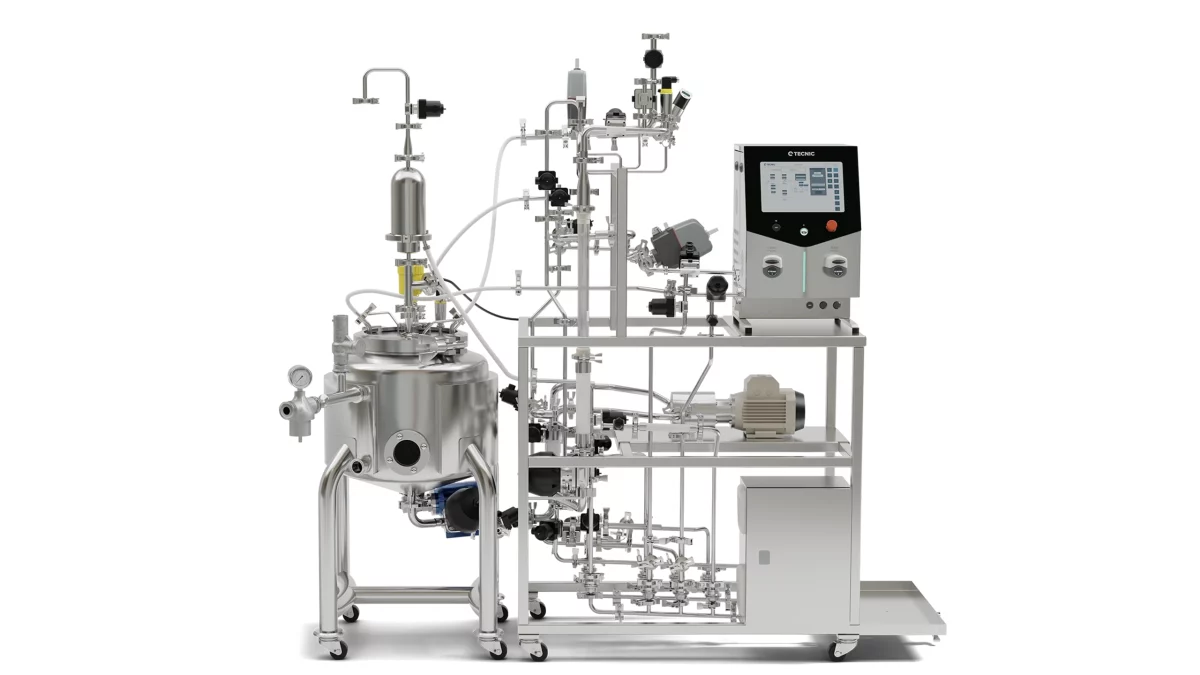
Bioreactors
Relevant when advanced biotech workflows need controlled and reproducible process environments.
Cell and gene therapy context
Violet biotechnology connects naturally with the regulatory and ethical questions surrounding advanced therapies.
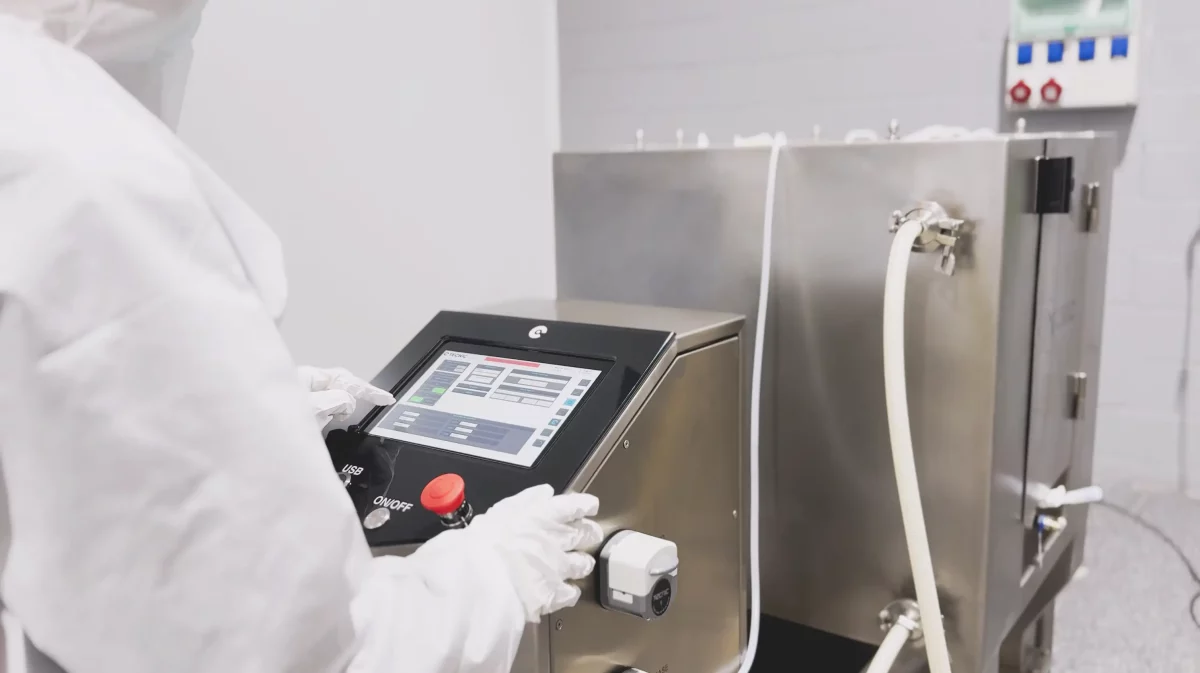
Software and control
Traceability, user control and process consistency become more important when biotechnology moves into regulated environments.
Contact TECNIC
When ethical and regulatory expectations meet real process design, technical discussion becomes more useful than abstract theory alone.
This article works best when violet biotechnology is presented as the governance layer of biotechnology, not as a separate topic disconnected from real processes.
Frequently asked questions
What is violet biotechnology?
It is the branch of biotechnology focused on ethics, law and policy.
Why is violet biotechnology important?
Because biotechnology affects health, society, ownership, safety and public trust, so it needs a responsible framework.
What topics belong to violet biotechnology?
Topics include bioethics, regulation, patents, biosafety, consent, access and governance of advanced biotechnology.
Is violet biotechnology only about genetics?
No. Genetics is a major area, but the field applies to broader biotechnology questions wherever ethical and legal decisions matter.
What is the biggest challenge in violet biotechnology?
One major challenge is balancing innovation, safety, public trust and fair access at the same time.
Exploring how advanced biotechnology connects with responsible process development?
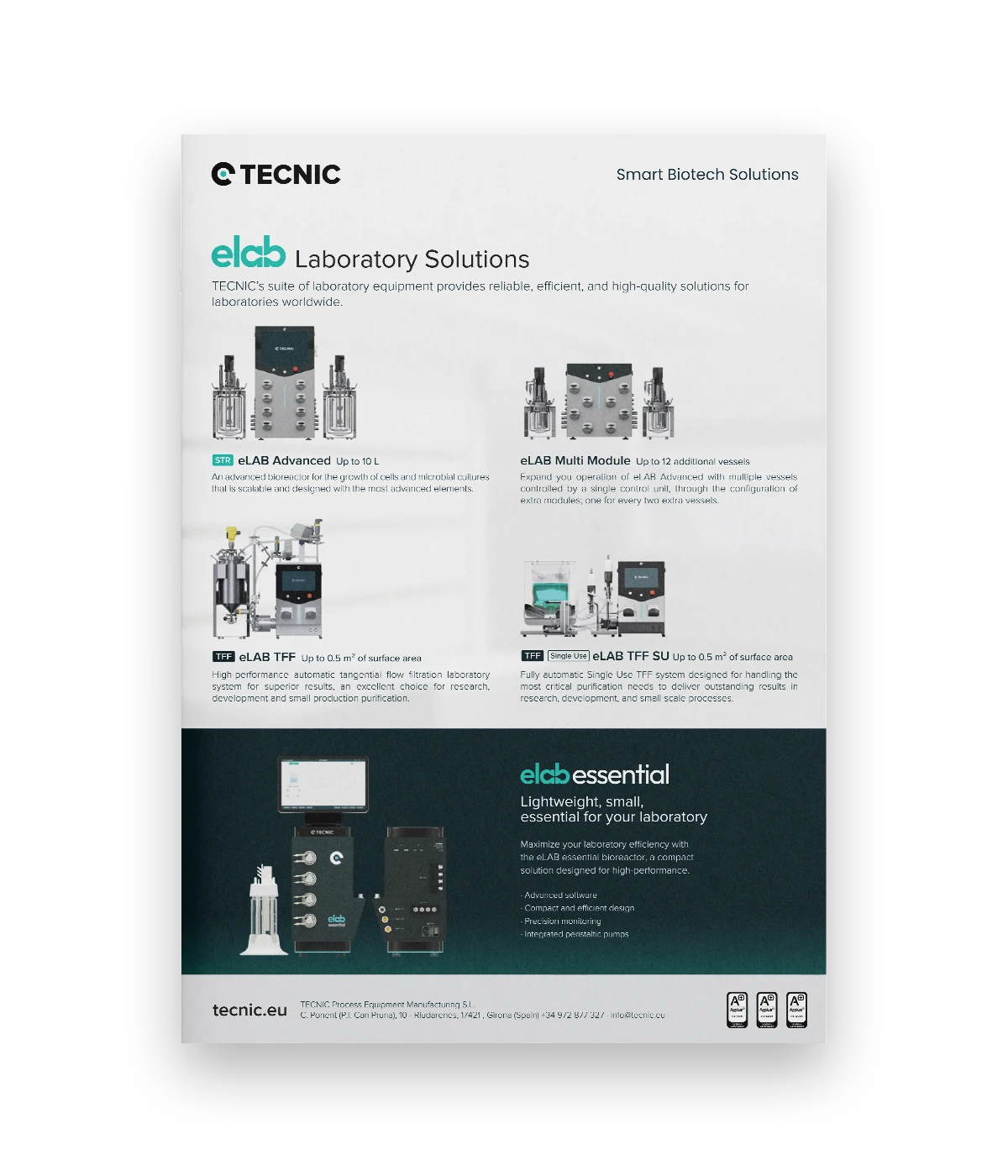
Explore TECNIC’s bioprocess solutions or speak with our team to review the right setup for controlled and compliance-ready workflows.